1
The Cause: 1861
1990-09-23
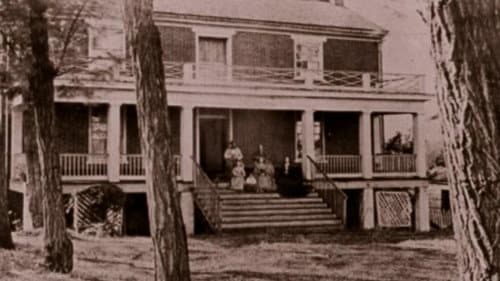
Beginning with a searing indictment of slavery, this first episode dramatically evokes the causes of the war, from the Cotton Kingdom of the South to the northern abolitionists who opposed it. Here are the burning questions of Union and States' rights, John Brown at Harper's Ferry, the election of Abraham Lincoln in 1860, the firing on Fort Sumter and the jubilant rush to arms on both sides. Along the way the series' major figures are introduced: Abraham Lincoln, Frederick Douglass, Robert E. Lee, Ulysses S. Grant and a host of lesser-known but equally vivid characters. The episode comes to a climax with the disastrous Union defeat at Manassas, Virginia, where both sides now learn it is to be a very long war.
2
A Very Bloody Affair: 1862
1990-09-24
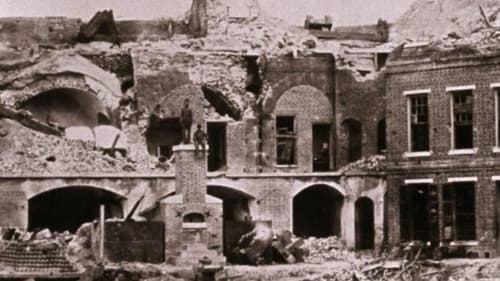
1862 saw the birth of modern warfare and the transformation of Lincoln's war to preserve the Union into a war to emancipate the slaves. Episode Two begins with the political infighting that threatened to swamp Lincoln's administration and then follows Union General George McClellan's ill-fated campaign on the Virginia Peninsula, where his huge army meets a smaller but infinitely more resourceful Confederate force. During this episode we witness the battle of ironclad ships, partake of camp life, and watch slavery begin to crumble. We meet Ulysses S. Grant, whose exploits come to a bloody climax at the Battle of Shiloh in Tennessee. The episode ends with rumors of Europe's readiness to recognize the Confederacy.
5
The Universe of Battle: 1863
1990-09-25
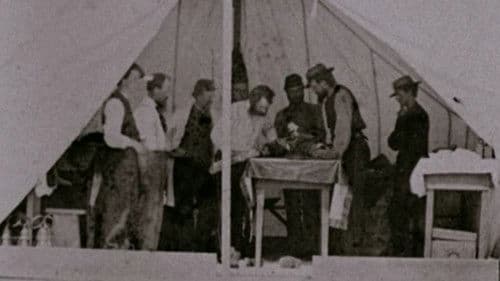
This episode opens with a dramatic account of the turning point of war: the Battle of Gettysburg, the greatest ever fought in the Western Hemisphere. For three days 150,000 men will fight to the death in the Pennsylvania countryside, culminating in Pickett's legendary charge. This extended episode then goes on to chronicle the fall of Vicksburg, the New York draft riots, the first use of black troops, and the western battles at Chickamauga, Georgia and Chattanooga, Tennessee. The episode closes with the dedication of a new Union cemetery at Gettysburg in November, where Abraham Lincoln struggles to put into words what is happening to his people.
6
Valley of the Shadow of Death: 1864
1990-09-26
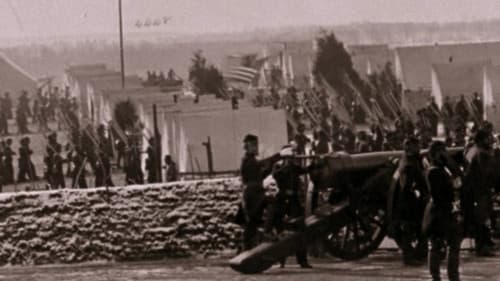
Episode six begins with a biographical comparison of Ulysses S. Grant and Robert E. Lee and then chronicles the extraordinary series of battles that pitted the two generals against each other from the wilderness to Petersburg in Virginia. In 30 days, the two armies lose more men than both sides have lost in three years of war. With Grant and Lee finally deadlocked at Petersburg, we visit the ghastly hospitals north and south and follow General Sherman's Atlanta campaign through the mountains of north Georgia. As the horrendous casualty lists increase, Lincoln's chances for re-election begin to dim, and with them the possibility of Union victory.
7
Most Hallowed Ground: 1864
1990-09-26
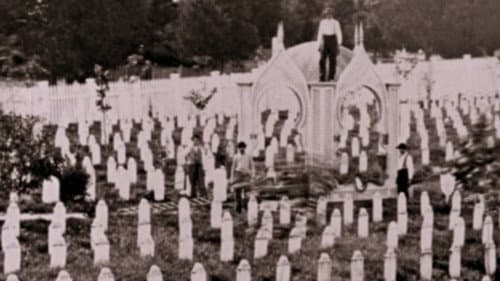
The episode begins with the presidential election of 1864 that sets Abraham Lincoln against his old commanding general, George McClellan. The stakes are nothing less than the survival of the Union itself: with Grant and Sherman stalled at Petersburg and Atlanta, opinion in the North has turned strongly against the war. But 11th-hour victories at Mobile Bay, Atlanta, and the Shenandoah Valley tilt the election to Lincoln and the Confederacy's last hope for independence dies. In an ironic twist, poignantly typical of the Civil War, Lee's Arlington mansion is turned into a Union military hospital and the estate becomes Arlington National Cemetery, the Union's most hallowed ground.
9
The Better Angels of Our Nature: 1865
1990-09-27
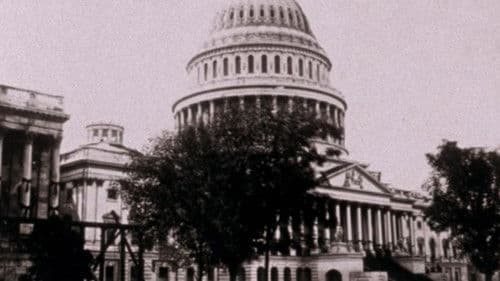
This extraordinary final episode of The Civil War begins in the bittersweet aftermath of Lee's surrender and then goes on to narrate the horrendous events of five days later when, on April 14, Lincoln is assassinated. After chronicling Lincoln's poignant funeral, the series recounts the final days of the war, the capture of John Wilkes Booth and the fates of the Civil War's major protagonists. The episode then considers the consequences and meaning of a war that transformed the country from a collection of states to the nation we are today.